
Gambling’s toll Understanding its impact on mental health
The Relationship Between Gambling and Mental Health
The connection between gambling and mental health is complex and multifaceted. For many individuals, gambling can begin as a form of entertainment or social activity. However, for some, this seemingly harmless pastime can spiral into a compulsion, leading to significant psychological distress. In exploring this, our betting guide offers insights into responsible gambling practices. Research has shown that individuals with gambling problems often experience heightened levels of anxiety, depression, and other mood disorders.
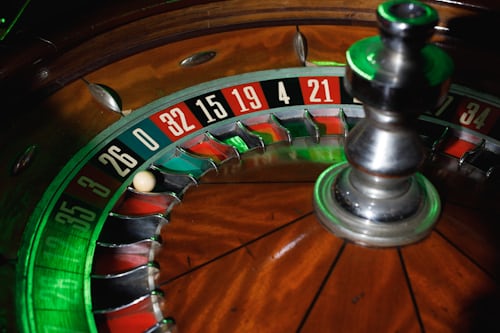
Moreover, the adrenaline rush associated with gambling can create a cycle of escapism for individuals struggling with mental health issues. This can lead to further isolation and a decline in emotional well-being, as they may prioritize gambling over important social interactions or responsibilities. Understanding this relationship is crucial for recognizing the broader implications of gambling on mental health.
Signs of Problem Gambling
Recognizing the signs of problem gambling is the first step toward addressing its impact on mental health. Some common indicators include an inability to stop gambling despite negative consequences, lying about gambling habits, or using gambling as a means to cope with stress or emotional pain. Individuals may also experience financial difficulties, which can exacerbate existing mental health issues.
Additionally, the emotional toll of gambling can lead to feelings of guilt, shame, and despair. These emotions can further entrench individuals in a cycle of gambling as they seek to escape their feelings through betting. Identifying these signs early can provide a pathway to seeking help and support, which is essential for recovery.
The Impact of Gambling on Relationships
Gambling addiction does not only affect the individual but also has profound effects on relationships with family and friends. Partners may feel betrayed or neglected, leading to conflicts and potential breakdowns in communication. Trust can erode quickly when gambling leads to financial instability or dishonesty.
Moreover, children of individuals with gambling problems may experience emotional neglect or become victims of financial crises. The strain placed on family dynamics can lead to long-lasting repercussions, including generational cycles of gambling and mental health issues. Understanding these impacts highlights the need for holistic support systems in recovery.
Seeking Help and Support
Addressing gambling’s toll on mental health requires a multifaceted approach. Therapy and counseling can provide individuals with coping mechanisms and strategies to manage their urges to gamble. Support groups can also play a vital role, offering shared experiences and encouragement from others who understand the struggles of gambling addiction.
Professional treatment programs often incorporate mental health resources to tackle co-occurring disorders. By addressing both gambling issues and underlying mental health concerns, individuals can begin to rebuild their lives and relationships. Seeking help is a courageous first step toward recovery and well-being.

Your Resource for Information
Understanding the relationship between gambling and mental health is critical for anyone who might be affected by this issue. Our website aims to provide valuable insights, resources, and support to help individuals navigate the complexities of gambling addiction and its psychological impacts. We are committed to fostering a community that promotes awareness and healing.
By offering expert advice and information on available treatment options, we strive to empower individuals and their families to make informed decisions. Together, we can work toward a healthier understanding of gambling’s effects on mental health and support those in need on their journey to recovery.
 Icelandic
 Polish
 English
 German
Leave a Reply